How Often Should Hotel & Condo Hallway Carpets Be Cleaned in Oahu?
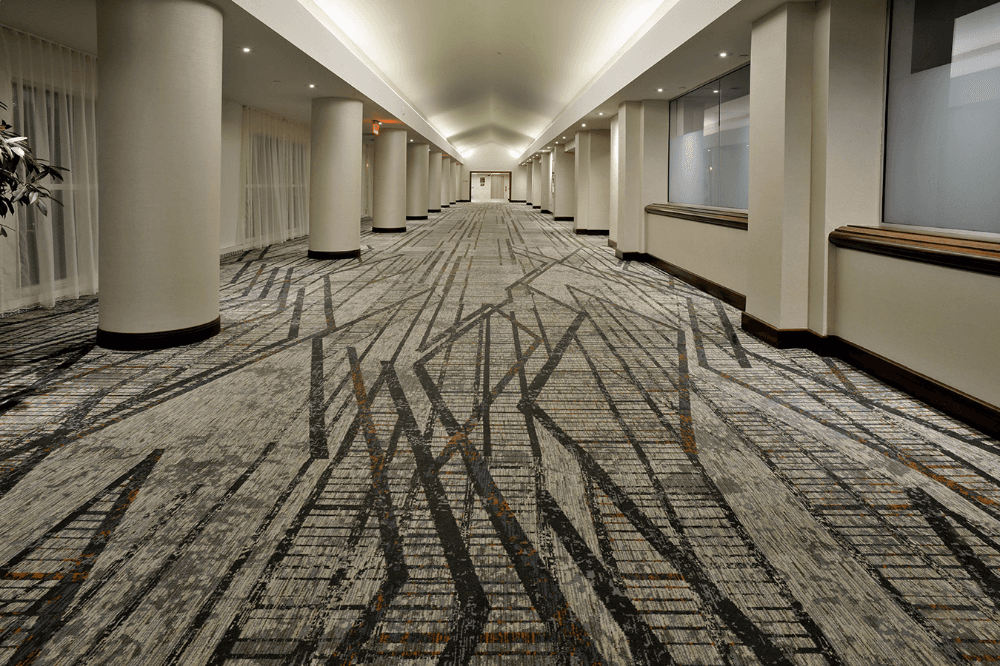
On Oahu, the commercial standard for restorative hallway cleaning is every 3 to 6 months. Because Hawaii properties face an aggressive combination of volcanic red dirt, abrasive coral sand, and salt-laden humidity, standard janitorial vacuuming is insufficient for long-term fiber protection. At Renue Hawaii, we implement “Investment Life” (I-Life) protocols to extend carpet lifespan by up to 50% and defer million-dollar capital replacement costs through specialized hotel carpet cleaning.
The Science of “Island Soil”: Why Oahu Properties Soil Faster
Mainland cleaning protocols often fail in Hawaii because they don’t account for our unique soil chemistry. On Oahu, hallway carpets act as massive filters for the building’s air and the debris tracked in by thousands of guests. To understand the cleaning frequency, we must first understand the “Island Trio” of soils trapped in your fibers that require expert commercial carpet cleaning.
In the hospitality heart of Waikiki and the luxury corridors of Ko Olina, the environmental load on flooring is unlike anywhere else in the world. Our volcanic origins and coastal proximity create a specific type of “aggressive soiling” that demands a scientific response. Here is a deep dive into the elements currently attacking your property’s assets:
- Volcanic Red Dirt (Iron Oxide): Hawaii’s iconic red dirt is rich in iron oxide. These particles are incredibly fine—often smaller than 10 microns—allowing them to wedge deep into the twist of the carpet fiber. If not emulsified correctly, red dirt acts as a permanent dye. Renue uses specific emulsifiers to break the iron oxide bond before it permanently alters the fiber color.
- Coral Sand (Calcium Carbonate): Unlike the silicate sand found on the mainland, coral sand is alkaline and jagged. Under a microscope, these grains look like tiny glass shards. When guests walk over carpet containing coral sand, these shards literally “saw” through the nylon or polyester fibers, causing “traffic lane balding.”
- Salt-Laden Humidity: Being surrounded by the Pacific means our air is saturated with salt. Salt is hygroscopic, meaning it attracts moisture from our 70%+ humidity. This creates a “sticky” carpet fiber that traps oils from sunscreens and food spills, creating a bond that a standard vacuum cannot break.
The “Sandpaper Effect”: Why Visual Cleaning is a Dangerous Myth
The most dangerous mistake a property manager can make is “cleaning by sight.” If a carpet looks dirty, the damage has already been done. The “Sandpaper Effect” occurs when hidden grit at the base of the pile grinds against fibers with every footstep. This friction dulls the carpet’s light reflectivity, making it look grey or worn even if the surface is technically clean. Regular restorative cleaning removes this grit before abrasion occurs. This is the difference between cleaning for appearance and cleaning for asset protection.
Think of your carpet like the paint on a car. If you drive through a sandstorm and don’t wash the vehicle, the wind-blown sand will eventually strip the clear coat. In a hotel hallway, your guests are the sandstorm. Every time a luggage cart rolls over a sandy patch, it exerts hundreds of pounds of pressure per square inch, driving those “glass shard” coral particles into the backing of your carpet. This structurally destroys the floor.
Financial Impact: CAPEX vs. OPEX Management for Resorts
Carpet is one of the largest items in a hospitality CAPEX (Capital Expenditure) budget. Replacing hallway carpet in a 300-room Oahu resort can cost between $500,000 and $1,000,000. By investing in quarterly restorative maintenance (OPEX) with Renue Hawaii, you can push replacement cycles back by 3-5 years. In a high-interest-rate environment, preserving your current assets is the single most effective way to protect the property’s bottom line.
Furthermore, the “soft costs” of replacement are often ignored. When you replace hallway carpet, you deal with:
- Noise complaints from adjacent rooms during installation.
- Off-gassing of new adhesives (VOCs) that can irritate guests.
- Potential revenue loss from room blocks being out of service.
Restorative cleaning avoids all of these “hidden” costs while keeping your property at a 10/10 visual standard.
Maintenance Frequency Thresholds by Traffic Zone
| Traffic Zone | Characteristics | Frequency |
|---|---|---|
| Extreme Traffic | Waikiki Lobbies & Elevator Banks | Monthly – Bi-Monthly |
| High Traffic | Guest Corridors / Major Hallways | Quarterly (90 Days) |
| Moderate Traffic | Luxury Residential Penthouse Floors | Every 6 Months |
The Renue Method: A Technical Deep Dive
Why does Renue Hawaii succeed where standard carpet cleaners fail? Our restorative protocol is a multi-stage scientific intervention tailored for the 24/7 demands of the hospitality industry. We don’t just “clean”—we restore the chemical balance and physical structure of your flooring.
1. Forensic Soil Analysis & pH Neutralization
All soils are not created equal. “Filtration soiling”—the dark lines near baseboards caused by HVAC air pressure—requires a carbon-bond breaker. We also test for R-1 recycled water minerals, which create an alkaline buildup that makes carpet feel “crunchy” unless neutralized with an acidic rinse. This specialized approach is what sets our professional carpet cleaning apart from general janitorial services.
2. High-Frequency Mechanical Agitation
Standard cleaning fails because it doesn’t reach the base of the pile. Renue uses mechanical agitation to “massage” our proprietary, eco-friendly emulsifiers into the fiber, suspending sand and salt in a liquid state for total extraction. Without this step, you are merely moving dirt around the fibers rather than removing it.
3. High-Lift Extraction & IAQ Improvement
Our extraction process uses “High-Lift” technology, which focuses on airflow rather than just water pressure. By pulling air through the carpet backing, we remove moisture and contaminants simultaneously. This significantly improves Indoor Air Quality (IAQ) by removing allergens and microbes that thrive in Hawaii’s humidity. For resorts focused on guest wellness, this is a critical value-add.
Sustainability & LEED: Keeping Hawaii Green
On an island with limited landfill space, the most “green” thing a property manager can do is preserve. Every square yard of carpet diverted from the H-POWER waste-to-energy plant is a win for the environment. By choosing Renue’s restorative services, your property can earn points toward LEED certification and ESG (Environmental, Social, and Governance) goals. Restoring rather than replacing is the ultimate form of sustainable property management on Oahu.
Conclusion: The Competitive Edge of Cleanliness
In the digital age, a single TripAdvisor photo of a stained hallway can cost a hotel thousands in lost bookings. Cleanliness is a front-line marketing tool. Partnering with Renue Hawaii for a 3-6 month restorative cycle ensures your property always makes a 10/10 first impression while protecting your long-term capital investment.
Is Your Hallway Carpet Costing You Money?
Don’t wait for “visual” dirt to destroy your flooring assets. Join the top resorts and condos on Oahu who trust Renue Hawaii for scientific, restorative care.