
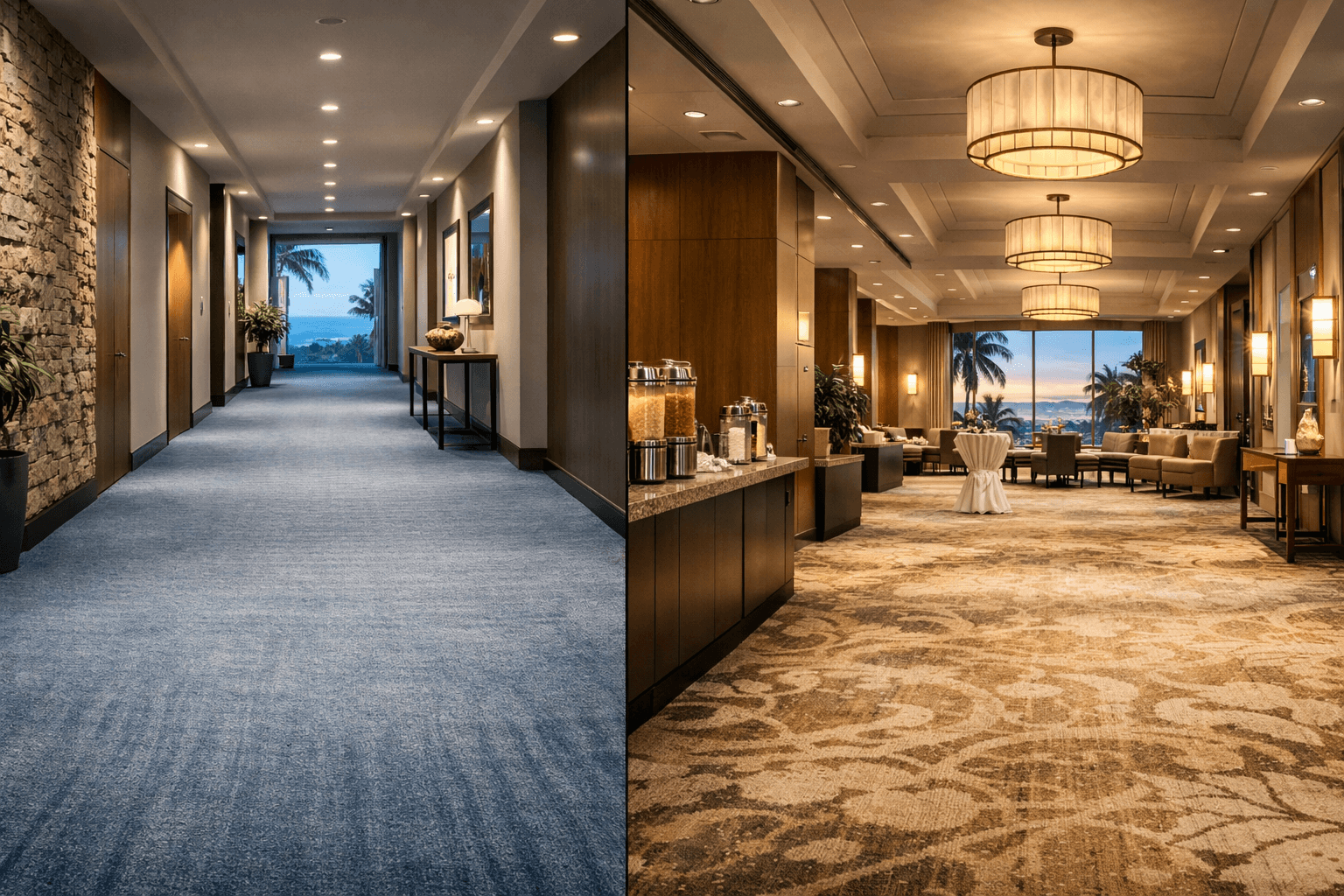
Ultimate Guide to Commercial Carpet Cleaning Honolulu: Malls, Ballrooms, Restaurants, Senior Living, and Entertainment Venues
Honolulu is unforgiving on commercial carpets. Salt air, volcanic grit, constant foot traffic, and high humidity break down fibers fast. When carpets look dull or smell off, venues lose money quietly, fewer repeat visits, weaker reviews, and lower confidence from decision makers.
This guide shows what actually works for commercial carpet cleaning Honolulu across high-traffic properties like malls, ballrooms, restaurants, senior living facilities, and gaming or entertainment venues. You will see the recurring odor, the most effective deep-clean methods, a maintenance cadence that fits real schedules, and how to track results zone by zone.
Why Commercial Carpets in Honolulu Fail Faster
Most “basic cleaning” looks good for a few days, then the carpet snaps back. That is because surface-only work leaves behind embedded grit, sticky residue, and moisture that never fully clears in Hawaii’s climate. On Oahu, that is how you get recurring odor, rapid re-soiling, and flattened traffic lanes that never recover.
- Salt air: carries moisture and grime that clings to fibers
- Volcanic dust and ash: abrasive particles grind into carpet backing
- Tourist and event traffic: constant compression, especially in corridors and entries
- Humidity: slows dry times, raising odor and mold risk if methods are wrong
- Residue: leftover detergent becomes a dirt magnet and makes carpets feel “sticky”
The fix is not “clean more often” with the same approach. The fix is specialized deep cleaning that lifts embedded soil, avoids residue, and dries fast enough to keep operations moving.
Where High-Traffic Venues Lose Revenue When Carpets Slip
Carpet condition is an operational signal. When it looks worn or smells stale, guests interpret the entire venue as less cared for. Here is where that shows up by property type:
- Malls and retail common areas: dull corridors reduce dwell time and tenant satisfaction
- Ballrooms and event spaces: visual “age” lowers premium perception and bookings
- Restaurants: stains and odor reduce repeat visits, tips, and staff confidence, especially when grease builds up in back-of-house areas. Pair carpet care with restaurant kitchen cleaning for better overall results.
- Senior living lounges: odor sensitivity and safety expectations are higher
- Gaming and entertainment venues: sticky zones and spill traffic create constant complaints
Strong venues do not wait for carpet replacement cycles. They run a maintenance strategy that keeps carpets looking premium and easier to maintain long-term. Here’s a simple guide to recommended carpet cleaning frequency.
Why Specialized Deep Cleaning Wins for Large Footprints
On large commercial footprints, deep cleaning has to do three things at once: remove embedded soil, dry fast, and avoid residue. That is where modern low-moisture extraction and hot-water hybrid methods win when done correctly.
- Low moisture extraction: helps prevent odor and downtime in humid Honolulu conditions
- Low residue chemistry: stops rapid re-soiling and sticky traffic lanes
- Fiber-safe approach: protects delicate carpets in ballrooms, suites, and lounges
- After-hours scheduling: keeps operations smooth and minimizes guest disruption
- Zone-based restoration: prioritizes corridors, entries, and problem areas first
The Honolulu Playbook: Zone-Based Carpet Cleaning That Actually Holds Up
Most venues in Honolulu do not have a “carpet problem.” They have a traffic-lane problem. Entrances, corridors, elevator lobbies, registration paths, buffet lines, bar zones, and cut-through corners take the abuse. If you clean the entire footprint the same way on the same schedule, you end up paying for low-impact areas while your high-impact zones keep failing.
The fix is a zone-based plan that matches cleaning intensity to soil load. This is the approach that keeps carpets looking premium in Hawaii’s humidity, and it is why commercial properties build a program instead of reacting to complaints.
Step 1: Identify Your “Revenue Lanes”
Revenue lanes are the spaces guests use to decide what they think about your property. They are not always the largest spaces, they are the most visible and most traveled. If you keep these lanes clean, the entire venue feels more controlled.
- Entrances and vestibules: where volcanic grit and street soil get introduced
- Main corridors and hallways: constant compression plus rolling luggage and carts
- Ballroom pre-function areas: food traffic, drink spills, and high-visibility lighting
- Restaurants: host stands, server lanes, and booth-side spill zones
- Senior living lounges: odor sensitivity, safety concerns, and higher comfort expectations
- Entertainment venues: sticky zones near bars and concentrated foot traffic around hot spots
If you are not sure where to start, start with corridors. Corridors create first impressions fast, and they carry the heaviest abrasive load. When corridors look clean and smell fresh, the property feels managed.
Step 2: Match the Method to the Zone
In Honolulu, the “best method” is the one that removes embedded soil, avoids residue, and dries fast enough to prevent odor. Different zones need different tactics. Here is the practical breakdown that tends to perform best in the field.
Corridors, hallways, and lobbies
These zones are abrasive-load heavy. The goal is to lift grit from the base of the fibers before it acts like sandpaper. Quick dry times matter because corridors cannot be down for long without disrupting guest experience.
- Prioritize deep extraction with fast-dry execution
- Target traffic lanes and corners, not just open stretches
- Use a rinse strategy that prevents sticky residue
- Reset entries and transitions where soil is introduced first
Ballrooms and event spaces
Ballrooms are high-stakes because lighting is unforgiving and planners judge details. The objective is even appearance, no sticky feel, and no odors that show up during events. Many ballrooms also have fiber mixes that require controlled chemistry and careful agitation.
- Use fiber-safe chemistry and controlled moisture to reduce wick-back
- Focus on pre-function lanes where food and drink traffic concentrates
- Detail edges and corners where vacuuming misses and soil hides
- Schedule after-hours so the room returns to service clean and dry
Restaurants and dining areas
Dining carpets fail from spots and oils, not just grit. The goal is to remove soils that cause odor and discoloration while keeping dry time tight so operations stay smooth. If odor is recurring, it is usually embedded, and surface cleaning will never solve it.
- Target server lanes, host stands, and spill zones first
- Use spot protocols that remove residue, not just mask odor
- Clean cut-through corners where spills concentrate and traffic saves steps
Senior living facilities
Senior living is about comfort and safety. Strong odor control and fast dry times keep spaces usable and reduce slip risk. Low-residue methods matter because sticky lanes can become a problem, especially where mobility aids and wheel traffic are common.
- Prioritize fast dry and low residue to keep surfaces safe
- Use targeted odor control where lounges and activity rooms concentrate use
- Maintain a predictable cadence so carpets never drift into a complaint cycle
Gaming and entertainment venues
Entertainment venues tend to have concentrated spill zones. The solution is not always a full clean, it is a zone restoration strategy that can reset the hot spots quickly while keeping the overall venue looking sharp.
- Rotate priority zones monthly or quarterly, depending on traffic
- Hit bar lanes, entrances, and high-energy clusters first
- Use methods that minimize downtime and prevent lingering odor
Step 3: Control Dry Time in Hawaii Humidity
Dry time is the difference between clean and clean that holds up. Slow dry times invite odor, wick-back, and complaints. In Honolulu, the fix is not flooding carpets with water and hoping the HVAC can save it. The fix is controlled moisture plus aggressive extraction and airflow.
- Use the right moisture level: enough to remove soil, not enough to soak backing
- Extract thoroughly: rinse and recovery matters as much as the wash phase
- Airflow wins: circulation shortens the odor window dramatically
- Schedule smart: after-hours or low-traffic windows reduce disruption
If you are dealing with recurring musty smell after cleaning, that is often a dry-time issue. The goal is for carpets to return to service quickly, without the damp smell that guests remember.
Step 4: Track Results Like an Operator
The fastest way to keep carpets from drifting is simple: track the same zones every cycle. Take consistent before and after photos from the same angles, log the zones that re-soil fastest, and adjust frequency in the lanes that carry the most grit.
- Pick 5–10 priority zones that represent your highest traffic
- Photograph those zones every service, same angle, similar lighting
- Adjust cadence based on drift, not guesswork
- Use hot spot restoration between full cycles when needed
If you want a simple baseline for planning, this simple guide to recommended carpet cleaning frequency can help you set a starting cadence, then refine it based on real traffic patterns.
ROI Breakdown by Venue Type
Deep cleaning is not an expense, it is a replacement deferral strategy. When carpets are maintained correctly, you can extend usable life dramatically and reduce the need for constant touch-ups.
| Venue | Typical Replacement Cost Deferred | Key Outcome |
|---|---|---|
| Malls / Retail | $100k–$300k | Higher dwell time, tenant satisfaction |
| Ballrooms / Events | $50k–$150k | More bookings, premium impressions |
| Restaurants | $30k–$80k | Better tips, easier staff maintenance |
| Senior Living | $40k–$120k | Odor-free comfort, resident scores up |
| Gaming / Entertainment | $60k–$200k | Fast zone restoration, high-energy vibe |
Quarterly high-traffic zones plus biannual full cleans usually compound savings. When carpets stay vibrant, everything looks more controlled, more premium, and easier to maintain long-term.
Maintenance Cadence That Fits Busy Honolulu Schedules
Most venues do not need “full building deep cleaning” every time. The smarter play is a cadence based on traffic lanes and soil load, with a predictable plan your ops team can rely on.
- Zone assessment: identify entrances, corridors, choke points, and spill zones
- Quarterly deep clean: entrances, hallways, corridors, and high-traffic common areas
- Biannual deep clean: lower-traffic spaces like lounges and select dining sections
- Annual or 12–18 month protection: apply protective treatments where spills are common
- Proof tracking: before and after photos per zone to monitor drift
The biggest advantage in Hawaii is quick-dry execution. If dry times are slow, odor risk climbs and cleaning becomes disruptive. Done correctly, most spaces return to service fast, without the “wet carpet” smell that people remember.
Frequently Asked Questions
How often should Honolulu malls deep clean common area carpets?
Quarterly for high-traffic entrances and main corridors is a strong baseline according to EPA guidance. Interior zones can often be biannual. Adjust based on footfall, weather, and how much ash and grit is tracked in.What is the best carpet cleaning method for humid Hawaii?
Low-moisture extraction and fast-dry methods reduce odor risk and downtime. The key is deep soil removal without leaving residue behind.How do you reduce recurring carpet odor in restaurants and lounges?
Odor usually lives in embedded soils and slow dry cycles. Deep extraction plus proper drying, paired with spot protocols for spills, typically solves the root cause.Can deep cleaning really extend carpet life in high-traffic corridors?
Yes. Removing abrasive grit that cuts fibers is one of the fastest ways to slow wear. The goal is to keep corridors from permanently flattening and graying out.What should senior living facilities prioritize for carpet care?
Fast dry times for safety, low-residue cleaning to prevent sticky lanes, and odor control. Lounges and corridors should be maintained on a predictable cadence.What areas should be cleaned first if we are starting a new maintenance plan?
Start with entrances and corridors. Those zones drive first impressions and hold the most embedded grit. Then expand into event spaces, dining, and lounges.The Renue Hawaii Standard for Commercial Carpet Cleaning in Honolulu
When venues are large and expectations are high, the difference is consistency and control. Trained crews, correct chemistry, fast dry times, and a cadence built around real traffic lanes. That is how you keep carpets looking premium without constantly chasing spot issues.
Next Step: Get a Zone-Based Plan for Your Property
If you want your corridors, ballrooms, dining areas, and lounges to stay vibrant in Honolulu conditions, the fastest move is a zone-based walkthrough. We map your high-traffic lanes, recommend the right frequency, and build a plan that minimizes disruption.
Commercial Carpets in Honolulu Fail Fast
The fix isn’t cleaning more, it’s cleaning smarter, zone-based, fast-dry, low-residue. We’ll map your revenue lanes and set a cadence that keeps carpets looking premium without disrupting operations.
Request a WalkthroughPrefer email? Use the contact form and include your property type (mall, ballroom, restaurant, senior living, entertainment), plus the square footage or number of zones. We will respond with a recommended cadence and next steps.