
Commercial Deep Cleaning Cost in Oahu, Maui, and the Big Island
Commercial Deep Cleaning Cost Guide for Hawaii Properties
What Determines the Cost of Commercial Deep Cleaning in Hawaii?
Commercial deep cleaning cost is determined by what must be done to the surface, not by square footage alone. Square footage measures the size of the work area. It does not measure the condition, soil load, grease, staining, odor, mineral buildup, physical damage, access limitations, technical processes, drying requirements, or labor needed to achieve the agreed result.
Two commercial properties with the same square footage can require entirely different scopes. Maintained office carpet, a neglected condominium hallway, a grease-loaded kitchen floor, etched marble, scratched elevator stainless steel, and hard-water-damaged glass may occupy similar areas while requiring different equipment, chemistry, technician skill, production rates, and service windows.
An accurate commercial cleaning scope begins by identifying the surface, diagnosing its condition, defining the expected outcome, and determining what the property will require to complete the work safely and efficiently. The final price reflects the actual production requirements of the project, including setup, access, treatment steps, recovery work, detail labor, drying, protection, and operational coordination.
Hawaii properties may also face additional cost factors, including island logistics, equipment freight, parking, loading, elevator access, water availability, electrical capacity, humidity, overnight work restrictions, guest or tenant impact, and limited production windows.
Commercial deep cleaning cost is the total investment required to safely clean, reset, or restore a commercial surface to the agreed condition under the property’s actual access, scheduling, technical, and operating constraints.
Square footage measures the project. Surface condition, recovery method, production requirements, access, and operating constraints determine the cost of completing it correctly.
Level of Recovery
Maintenance, Reset, and Restoration Are Priced Differently
Maintenance
Keeps a surface under control before heavy buildup or visible deterioration develops. Pricing is generally more predictable because the condition is being managed consistently.
Maintenance is priced around control.
Reset
Removes accumulated soil, grease, residue, staining, odor, or neglected buildup that routine maintenance no longer controls. A reset typically requires more labor, chemistry, agitation, extraction, rinsing, or detail work.
A reset is priced around recovery from buildup.
Restoration
Corrects conditions that cleaning alone cannot resolve, such as etching, scratching, dullness, finish failure, severe mineral deposits, localized color loss, or other damage that may otherwise lead to replacement.
Restoration is priced around recovered performance and useful life.
| Pricing Factor | Why It Changes the Cost | Where It Commonly Matters |
|---|---|---|
| Surface condition | A maintained surface requires a different process than one affected by heavy soil, grease, staining, odor, mineral buildup, scratching, etching, finish failure, or years of deferred care. | Carpet, tile and grout, marble, terrazzo, travertine, limestone, stainless steel, glass, VCT, upholstery, and kitchens. |
| Soil load and buildup | Heavy buildup may require additional labor, chemistry, agitation, dwell time, rinsing, extraction, drying, edge work, or repeated treatment. | Commercial kitchens, restrooms, trash rooms, laundry areas, carpet traffic lanes, grout lines, floor edges, and back-of-house spaces. |
| Access and mobilization | Parking, loading, elevator travel, security procedures, floor access, hose distance, staging limitations, and movement through occupied areas affect productive work time. | Hotels, resorts, condominiums, high-rises, offices, schools, senior living communities, clubs, and large commercial buildings. |
| Electrical capacity | Equipment may need to be sequenced when outlets share circuits. Separate circuits can allow multiple machines and drying units to operate at the same time, improving production. | Carpet extraction, low-moisture carpet cleaning, hallway projects, ballrooms, offices, schools, condominiums, and high-rise buildings. |
| Water and drainage | Nearby water and suitable drainage improve production. Long hose runs, limited water access, poor drainage, or sensitive areas may require a slower or more controlled setup. | Tile and grout, kitchens, carpet extraction, restrooms, exterior cleaning, VCT, and specialty floor care. |
| Scheduling and disruption | Short service windows, after-hours work, occupied spaces, event schedules, guest visibility, tenant coordination, noise limits, and drying requirements affect crew planning and production speed. | Hotels, resorts, restaurants, offices, schools, senior living communities, clubs, churches, venues, gyms, and retail centers. |
| Required method | Different conditions may require extraction, low-moisture cleaning, degreasing, pressure rinsing, honing, polishing, sealing, coating, dye repair, odor treatment, or detailed handwork. | Carpet, stone, tile and grout, stainless steel, glass, upholstery, VCT, kitchens, and odor-affected areas. |
| Service frequency | Weekly, monthly, quarterly, semiannual, and annual programs price differently because the buildup and recovery required between visits changes. | Kitchens, carpet programs, tile and grout, public areas, stone care, VCT, odor treatment, stainless steel, and high-traffic common areas. |
| Hawaii logistics | Island location, freight, equipment availability, travel, parking, disposal, humidity, salt exposure, and restricted work windows can change mobilization and production requirements. | Oahu, Maui, the Big Island, resort areas, remote properties, and projects requiring specialty equipment or materials. |
How much does commercial deep cleaning cost in Hawaii?
Commercial deep cleaning cost in Hawaii depends on the surface, square footage, condition, soil load, service method, access, timing, equipment, water, electrical capacity, drying requirements, and whether the project requires maintenance, a deeper reset, or restoration.
Two projects with the same square footage may price very differently when one surface is maintained and the other requires heavy recovery work. A walkthrough or representative test area is often the most reliable way to establish an accurate scope.
Why is square-foot pricing not always accurate?
Square-foot pricing can be useful when the surface, condition, access, and process are predictable. It becomes less reliable when projects involve heavy buildup, detailed restoration, limited access, moisture concerns, specialized chemistry, furniture movement, short work windows, or uncertain conditions.
The more specialized the service becomes, the more important it is to price the production requirements rather than the area alone.
When is square-foot pricing appropriate?
Square-foot pricing can work well for repeatable services where the condition is known, access is consistent, and the process is standardized. Examples may include recurring carpet maintenance, predictable hallway programs, defined tile and grout areas, or large open spaces with clear access.
The square-foot rate should still reflect the actual surface, condition, frequency, equipment, labor, and operating environment.
How can outlet layout affect commercial carpet cleaning cost?
Carpet extraction systems, low-moisture machines, vacuums, and drying equipment require dependable power. When multiple outlets share one circuit, equipment may need to be operated in sequence to avoid tripping breakers.
Separate circuits can allow multiple machines and drying units to operate simultaneously, increasing production within the available service window and potentially reducing total labor time.
Why does access change commercial cleaning pricing?
Access determines how much of the crew’s time is productive cleaning time. Parking, loading zones, elevators, security, key access, staging areas, hose distance, water, drainage, and movement through occupied spaces all affect efficiency.
Access is especially important in hotels, condominiums, high-rises, schools, offices, senior living properties, restaurants, clubs, and venues where equipment and technicians must move without disrupting operations.
What affects commercial kitchen deep-cleaning cost?
Commercial kitchen deep-cleaning cost depends on grease load, floor and grout buildup, drains, stainless steel, wall splash zones, under-equipment access, water, drainage, operating hours, food-safety controls, and the level of recovery required.
Routine employee cleaning maintains the kitchen between services. Specialty deep cleaning periodically recovers the grease-loaded and difficult-access areas daily closing procedures are not designed to fully reset.
What is the difference between maintenance, reset, and restoration pricing?
Maintenance pricing reflects predictable work used to keep a surface under control. Reset pricing reflects the additional work required after buildup has changed the appearance, cleanliness, or odor of the area.
Restoration pricing applies when cleaning alone is no longer enough and the work must correct etching, scratches, dullness, finish failure, severe mineral buildup, color loss, or other damage.
Maintenance is priced around control. Reset is priced around accumulated buildup. Restoration is priced around recovery.
How does service frequency affect cost?
Recurring service generally produces a more predictable condition and production rate. Longer intervals allow heavier buildup, recurring stains, grease, residue, odor, mineral deposits, or appearance deterioration to develop.
A well-designed recurring program can reduce the severity and cost of future recovery work, although every schedule should reflect the actual traffic, surface, use environment, and performance standard.
How is specialty deep cleaning different from janitorial pricing?
Janitorial pricing is generally built around routine upkeep, including trash removal, touchpoints, restrooms, vacuuming, light mopping, and daily surface cleaning.
Specialty deep cleaning addresses conditions routine maintenance is not designed to fully correct, including embedded carpet soil, dark grout, kitchen grease, hard-water buildup, dull stone, scratched stainless steel, odor sources, worn finishes, and high-traffic surfaces requiring specialized equipment, chemistry, extraction, polishing, or restoration.
Why does Renue recommend a walkthrough before pricing?
A walkthrough confirms the actual surface, condition, dimensions, soil load, access, timing, outlet layout, electrical capacity, water, drainage, drying requirements, safety considerations, and required level of recovery.
This creates a scope based on the real project. The property receives a clearer expectation, and Renue can plan the correct crew, equipment, chemistry, schedule, and production setup.
What information helps Renue prepare an initial estimate?
Helpful information includes the property name and location, surface type, approximate square footage or item count, photographs, current condition, desired result, access hours, parking and loading information, water and power availability, furniture movement, previous service history, and preferred schedule.
Photos and measurements may support an initial planning estimate. Specialty restoration, mixed conditions, or large occupied properties may still require an onsite walkthrough or test area before final pricing.

Commercial Carpet Cleaning Cost for Hotels, Condos, Offices, and High-Traffic Properties
Commercial carpet cleaning cost depends on more than square footage. Soil load, carpet condition, traffic lanes, recurring stains, odor issues, furniture movement, dry-time needs, elevator access, parking, and outlet layout all affect the scope. Renue Hawaii provides commercial carpet cleaning in Hawaii for hotels, condos, offices, schools, senior living communities, country clubs, retail spaces, churches, event venues, and other high-traffic commercial properties.
For larger carpet projects, electrical access can directly affect production. If multiple outlets are tied to the same circuit, running more than one machine may trip breakers and slow the job. If a property has multiple outlets on separate circuits, Renue can often run more equipment at once, complete more work during the same service window, and reduce total labor time compared with a slower one-machine-at-a-time setup. For visible stains, spot damage, bleach marks, or color loss, Renue can also evaluate bleach stain removal and carpet dyeing where correction is possible.

Commercial Upholstery Cleaning Cost for Offices, Hotels, Lobbies, Clubs, and High-Traffic Seating
Commercial upholstery cleaning cost depends on fabric type, soil load, staining, body oils, odor, cushion construction, furniture quantity, access, drying requirements, and whether the pieces can be cleaned in place. Renue Hawaii provides commercial upholstery cleaning in Hawaii for offices, hotel lobbies, guestrooms, cabanas, restaurants, senior living communities, country clubs, event venues, churches, medical offices, and other high-traffic commercial spaces.
A lightly soiled office chair, a lobby sofa with body oils, restaurant seating with food spills, cabana cushions exposed to moisture, and hotel guestroom chairs with recurring stains are not the same scope. Renue uses specialized products, advanced equipment, and proven cleaning techniques to remove embedded soil, stains, oils, allergens, and odor where possible. Pricing is based on the condition, fabric sensitivity, access, drying control, and the level of recovery needed to make the furniture look cleaner, fresher, and ready for guests, residents, tenants, or customers.
Commercial Stone Restoration Cost for Marble, Terrazzo, Travertine, Limestone, and High-Traffic Surfaces
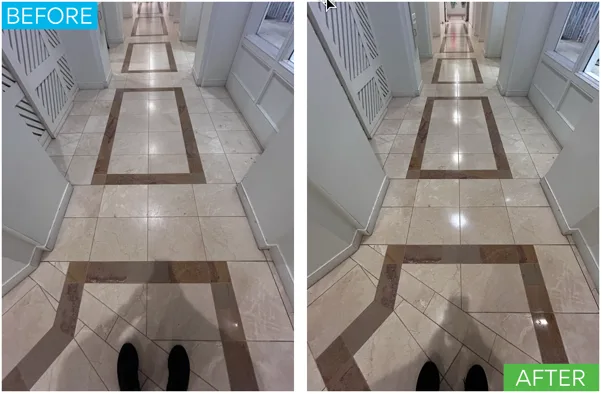
Commercial stone restoration cost depends on the stone type, surface condition, scratching, etching, staining, dullness, traffic wear, previous coatings, desired finish, sealing needs, access, and whether the property needs maintenance, a deeper reset, or full restoration. Renue Hawaii provides marble restoration, polishing, and sealing in Hawaii for hotel lobbies, condo common areas, office buildings, restaurants, country clubs, vanities, counters, restrooms, and other high-visibility commercial surfaces.
A lightly dulled marble vanity, a scratched lobby floor, etched restroom stone, worn terrazzo, stained limestone, and traffic-worn travertine are not the same scope. Renue uses advanced diamond honing, polishing, restoration, and protective treatment processes to improve the appearance of natural stone where correction is possible. Pricing is based on the level of wear, the finish the property wants to achieve, the amount of restoration required, and whether sealing or ongoing maintenance is needed to help protect the surface from future staining and daily wear.
Stainless Steel Restoration Cost for Elevators, Kitchens, Railings, Appliances, and Commercial Surfaces
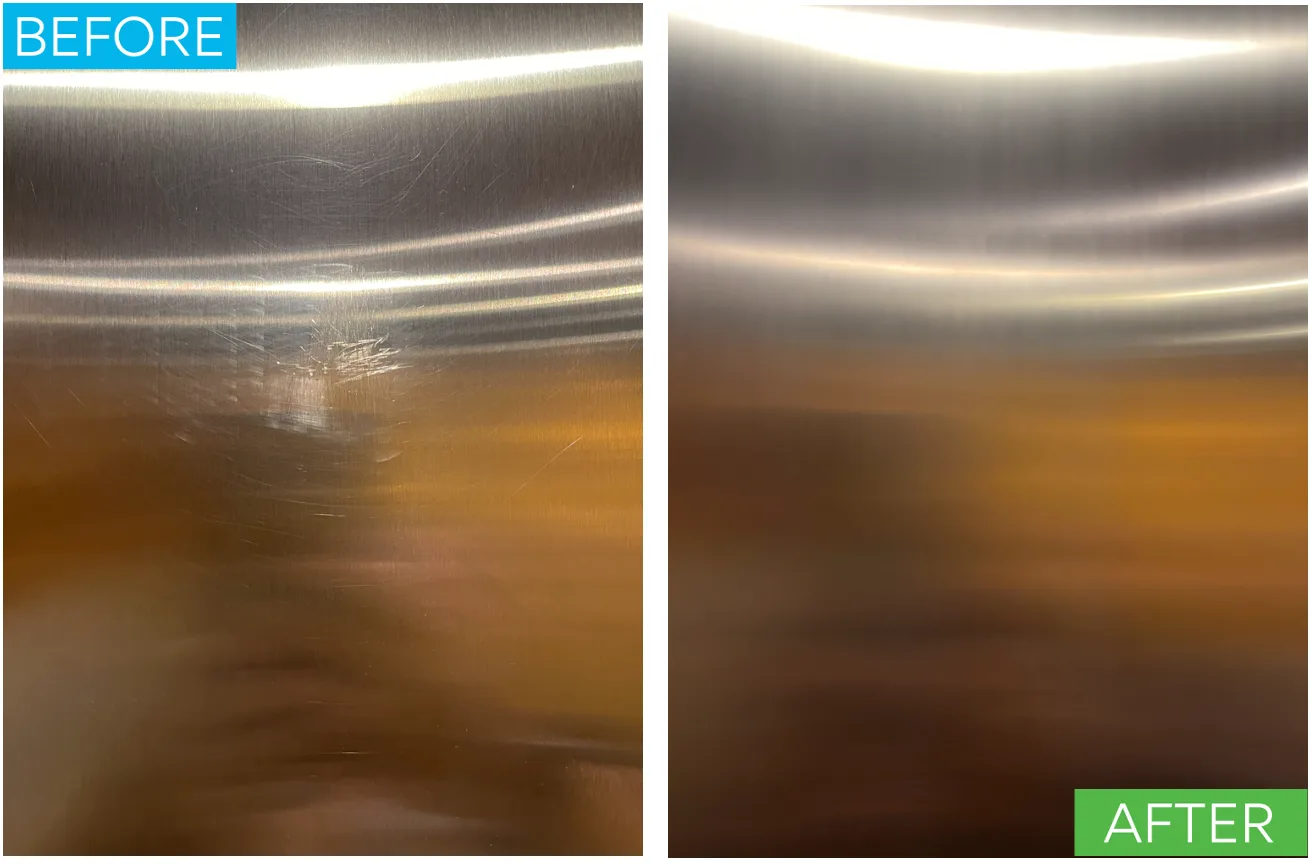
Stainless steel restoration cost depends on the surface condition, scratch depth, direction of the grain, staining, oxidation, rust, surface visibility, access, and whether the goal is cleaning, refinishing, scratch removal, or protective treatment. Renue Hawaii provides stainless steel restoration and scratch removal in Hawaii for elevators, commercial kitchens, railings, appliances, restroom fixtures, lobby panels, and other high-touch commercial surfaces.
A lightly stained appliance front, scratched elevator door, oxidized railing, rust-affected surface, and guest-facing stainless panel are not the same scope. Stainless steel has to be restored with the grain, using the right process for the level of damage and visibility of the surface. Renue Hawaii prices stainless steel restoration based on the condition, risk, access, surface area, finish expectations, and whether protective treatment is needed to help guard against future damage and daily wear.
Commercial Kitchen Cleaning Cost for Restaurants, Hotels, Schools, Senior Living, and Food Service Facilities
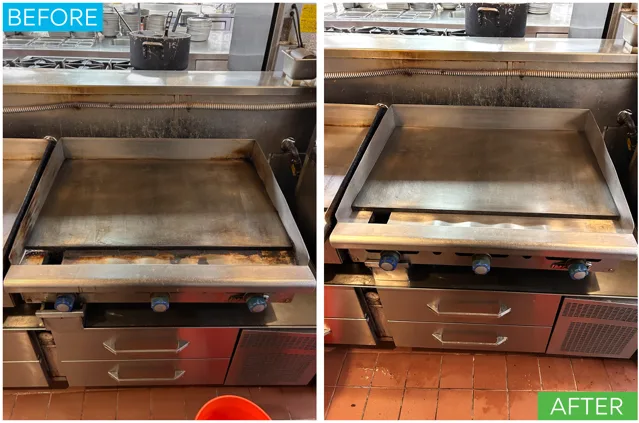
Commercial kitchen cleaning cost depends on grease load, floor and grout buildup, equipment exteriors, stainless surfaces, drains, wall splash zones, under-equipment areas, back-of-house traffic lanes, access, timing, water access, and the level of recovery needed. Renue Hawaii provides commercial kitchen deep cleaning in Hawaii for restaurants, hotel kitchens, resort kitchens, schools, senior living communities, country clubs, commercial cafeterias, and food service facilities.
Most commercial kitchens rely on employees for daily close-down cleaning. Renue periodically resets the areas daily cleaning cannot fully recover, including floors, grout, equipment sides, stainless buildup, drains, wall splash zones, and hard-to-reach buildup zones. For properties considering or already using a nightly commercial kitchen cleaning company, scheduled deep cleaning may reduce or replace that need by shifting the budget toward deeper recovery, better odor control, cleaner equipment areas, improved floor and grout appearance, and longer asset life.
VCT Strip and Wax Cost for Schools, Offices, Retail, Churches, and Commercial Floors
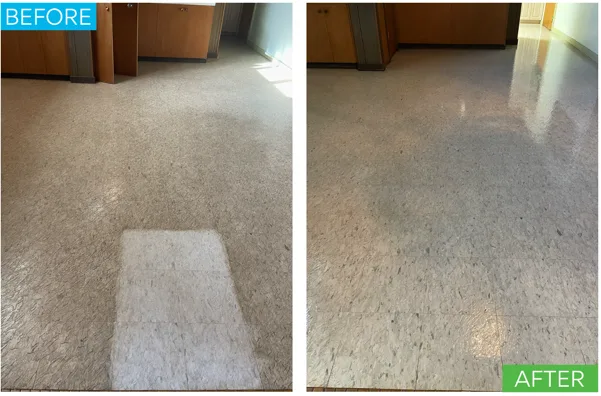
VCT strip and wax cost depends on square footage, finish condition, wax buildup, soil load, furniture movement, access, drying time, number of finish coats, traffic schedule, and whether the floor needs maintenance, a clean-and-coat, or a full strip-and-wax service. Renue Hawaii provides commercial VCT stripping, buffing, polishing, and waxing in Hawaii for schools, offices, retail stores, churches, healthcare facilities, senior living communities, commercial buildings, and high-traffic hard floor areas.
A regularly maintained VCT floor, a dull office floor, a school hallway with worn finish, a retail floor with traffic lanes, and a heavily built-up floor that needs stripping are not the same scope. Renue Hawaii prices VCT floor care based on the condition of the finish, the level of recovery needed, access, drying windows, and the maintenance standard the property wants to keep. The goal is to restore shine, improve appearance, protect the floor, and extend the life of high-traffic commercial surfaces.
Commercial Hardwood Floor Cleaning Cost for Offices, Retail, Clubs, Restaurants, and High-Traffic Properties
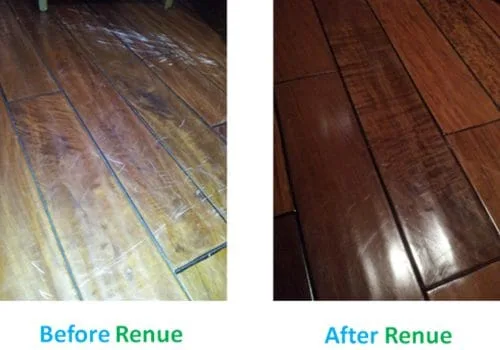
Commercial hardwood floor cleaning cost depends on the wood type, finish condition, soil load, traffic wear, scratches, dullness, access, furniture movement, drying time, and whether the floor needs maintenance cleaning, a deeper reset, or more specialized restoration. Renue Hawaii provides hardwood floor deep cleaning for commercial properties across Oahu, Maui, and the Big Island, including offices, retail spaces, restaurants, country clubs, private clubs, hotels, condos, churches, event venues, and other high-traffic properties.
A lightly soiled office floor, a dull restaurant floor, a traffic-worn retail area, and a hardwood surface with deeper finish wear are not the same scope. Renue Hawaii uses advanced cleaning techniques to remove embedded dirt, improve the wood’s appearance, and help protect against daily wear where cleaning is the right solution. Pricing is based on the floor condition, finish sensitivity, access, drying requirements, and the level of recovery needed to keep the space cleaner, more polished, and more inviting for employees, guests, residents, and customers.
Frequently Asked Questions About Commercial Deep Cleaning Cost in Hawaii
Commercial deep cleaning cost in Hawaii depends on the service type, square footage, soil load, surface condition, access, timing, water access, outlet layout, equipment needs, dry-time requirements, and whether the property needs maintenance, reset, or restoration. Renue Hawaii typically recommends a walkthrough because two properties with the same square footage can require very different scopes.
Square-foot pricing can be useful as a starting point, but it can miss the real production factors that affect commercial deep cleaning. A property with good access, nearby water, separate electrical circuits, light soil, and a clear overnight work window may be cleaned more efficiently than a property with limited access, shared circuits, heavy buildup, tight scheduling, and more detailed recovery work.
For larger commercial carpet cleaning projects, outlet layout can directly affect production. Many carpet extraction systems, low-moisture machines, and drying tools require dependable power. If multiple outlets are tied to the same circuit, running more than one machine may trip breakers and slow the job. If a property has multiple outlets on separate circuits, Renue may be able to run more equipment at once, complete more work in the same service window, and reduce total labor time compared with a slower one-machine-at-a-time setup.
Access affects how quickly and safely the work can be completed. Parking, loading zones, elevators, security access, staging areas, water access, restroom access, distance from the work area, and the ability to move equipment efficiently all affect production. This is especially important for hotels, condos, high-rises, office buildings, schools, senior living communities, country clubs, restaurants, event venues, and large commercial properties where hoses, machines, drying tools, technicians, and supplies have to move through the property without disrupting operations.
Restaurant kitchen cleaning cost depends on grease load, floor and grout buildup, stainless surfaces, equipment areas, drains, wall splash zones, under-equipment areas, access, timing, water access, and the level of recovery needed. Most commercial kitchens rely on employees for daily close-down cleaning. Renue periodically resets the areas daily cleaning cannot fully recover. For restaurants, hotel kitchens, schools, senior living kitchens, country clubs, and food service facilities considering or already using a nightly commercial kitchen cleaning company, scheduled deep cleaning may reduce or replace that need by shifting the budget toward deeper recovery instead of repeated surface maintenance.
Maintenance pricing is usually more predictable because the surface is being kept under control. Reset pricing is different because buildup has already changed the appearance, odor, or cleanliness of the space. Restoration pricing is different again because the goal is no longer just cleaning. It may involve correcting wear, scratching, etching, dullness, staining, damage, or heavy buildup before replacement becomes necessary. Maintenance is priced around control. Restoration is priced around recovery.
Janitorial cleaning is usually built around routine upkeep: trash, touchpoints, restrooms, light mopping, vacuuming, and daily surface cleaning. Renue Hawaii handles specialty deep cleaning and restoration for the areas daily cleaning is not designed to fully recover. That includes embedded carpet soil, dark grout, grease buildup, hard water spots, dull stone, scratched stainless steel, odor sources, worn VCT, upholstery soil, commercial kitchen buildup, and high-traffic surfaces that need deeper equipment, chemistry, agitation, extraction, polishing, or restoration.
Renue Hawaii services hotels, resorts, condos, AOAOs, restaurants, commercial kitchens, office buildings, schools, senior living communities, medical offices, country clubs, private clubs, gyms, retail centers, churches, event venues, high-rises, property management portfolios, and other high-traffic commercial properties across Hawaii. The common issue is not the property type. The common issue is that daily cleaning can only maintain so much. Renue resets the areas that need specialty deep cleaning, better production planning, or restoration before replacement becomes the only option.
A walkthrough helps confirm the actual scope before pricing. Renue reviews the surface condition, square footage, soil load, access, timing, outlet layout, electrical capacity, water access, drainage, dry-time requirements, safety concerns, and whether the property needs maintenance, reset, or restoration. This protects both sides. The property gets a scope that matches the real work. Renue gets the information needed to plan the right crew, equipment, chemistry, timing, and production setup.
Commercial deep cleaning frequency depends on the property type, traffic level, soil load, surface condition, guest or tenant visibility, inspection needs, and the standard the property wants to maintain. Some areas may need weekly or monthly service, while others may be better suited for quarterly, semiannual, or annual deep cleaning. Renue Hawaii recommends the right frequency based on whether the property needs routine maintenance, a deeper reset, or restoration-level recovery.
Scheduled commercial deep cleaning can often create better value because it helps control buildup before surfaces move into heavier recovery or replacement. For larger properties, the right program can reduce complaints, improve appearance, protect carpets, tile, stone, stainless steel, upholstery, kitchens, and other high-traffic surfaces, and make daily cleaning easier to maintain. In some commercial kitchens, scheduled deep cleaning may also reduce or replace the need for a nightly outside cleaning company by shifting the budget toward deeper recovery instead of repeated surface maintenance.
Explore how spaces, surfaces and service decisions connect for specialty property care
Related service, guidance and project accounts
Continue your specialty property care assessment
- Service scopeComprehensive Commercial Deep Cleaning Services in Hawaii
- Decision guideThe Ultimate Guide to Restorative Cleaning for Hawaii Hotels & Resorts
- Published projectAlohilani Resort: guestroom and cabana surfaces