
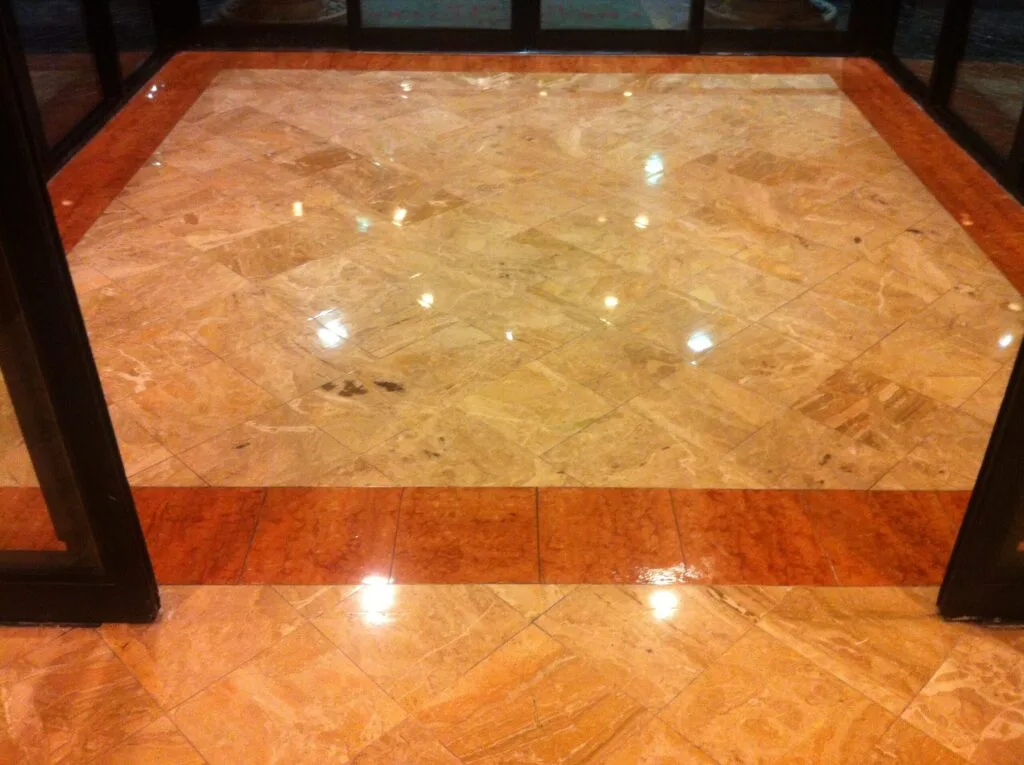
Commercial Marble & Natural Stone Restoration in Hawaii
Stone Restoration for Hotels, Condos & Commercial Properties
Watch hotel lobby marble floor restoration
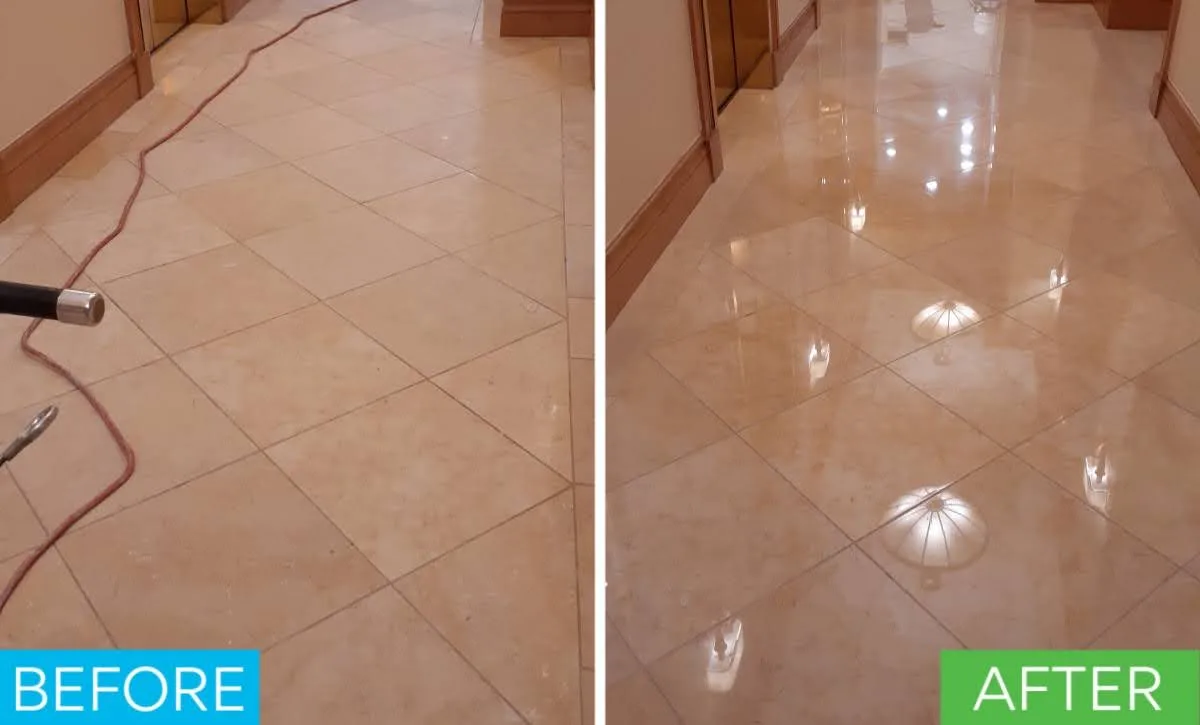
See a hotel lobby marble-restoration comparison and the finished floor. Planning starts with the stone condition, access and the areas that need attention.
Renue Hawaii service video with on-screen descriptions and background music. Examples show individual projects; results depend on the surface and condition.
Published .
Video preview image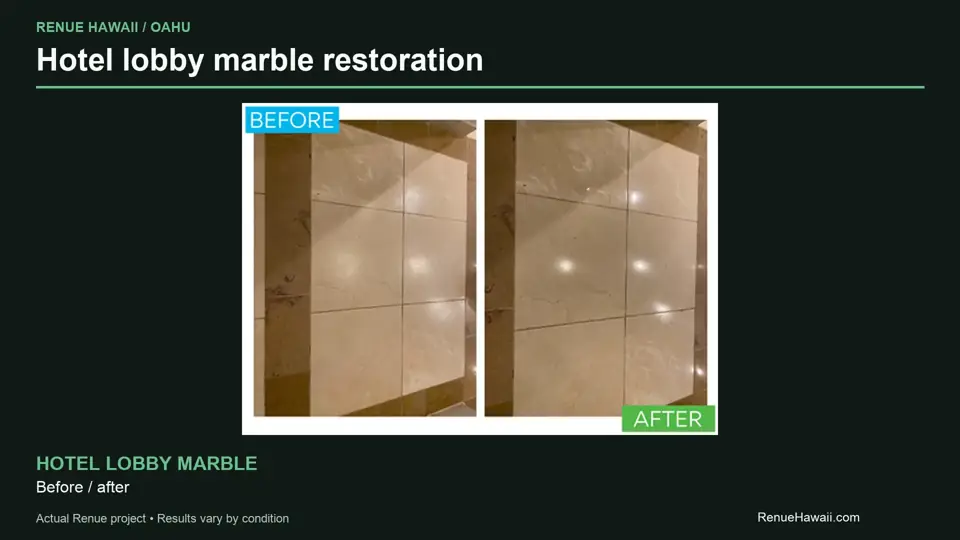
Watch marble countertop restoration and sealing
See a marble countertop before and after restoration and sealing. The material, visible problem and condition guide the appropriate treatment.
Renue Hawaii service video with on-screen descriptions and background music. Examples show individual projects; results depend on the surface and condition.
Published .
Video preview image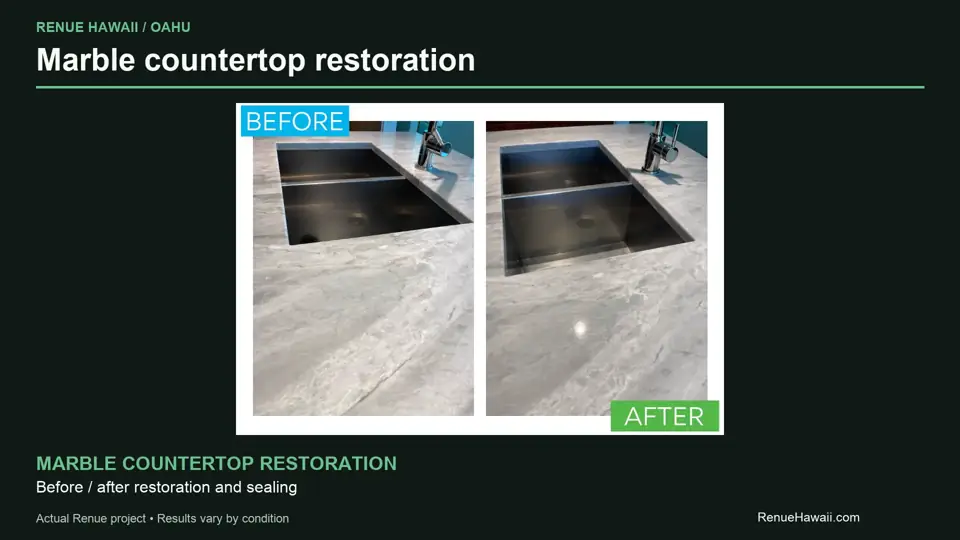
Find Out What Is Changing the Finish
A cloudy lobby floor, an etched vanity, and a dark stain beside a sink may need three different treatments. Renue Hawaii evaluates the stone and existing finish before recommending cleaning, honing, polishing, or protection for hotels, condos, restaurants, and commercial properties.
The starting point is the condition of the surface and the finish you want to maintain.
Residue or deposits: Material on the surface that may respond to appropriate cleaning.
Etching or scratches: Changes to the surface itself that may need refinishing.
Absorbed stains: Discoloration within the stone that needs a separate stain assessment.
These conditions can occur together. A test area helps establish what can be improved and how the proposed finish will look in the room’s lighting.
Compare the Scope, Not Just the Shine
When comparing proposals, ask which defects each process addresses, what finish it aims to achieve, and what maintenance it requires afterward.
| Option | Where it fits | What to confirm |
|---|---|---|
| Cleaning and residue removal | Soil, cleaner buildup, or deposits affecting appearance | Whether a cleaned test area reveals remaining etching, scratches, or stains |
| Crystallization | A finish-maintenance option for some compatible polished stone | The specific process and its limits; increased gloss alone does not demonstrate scratch or etch removal |
| Renue DiaVitrify™ | A proposed treatment option to assess for the existing stone and finish | The included surface-preparation steps, suitable products, test-area result, and aftercare |
| Diamond honing and polishing | Surface etching, scratches, or wear that requires mechanical refinishing | The achievable finish, depth of correction, edge work, and any defects expected to remain |
| Repair or replacement review | Loose, broken, missing, or severely damaged stone | Whether the underlying condition must be resolved before appearance work begins |
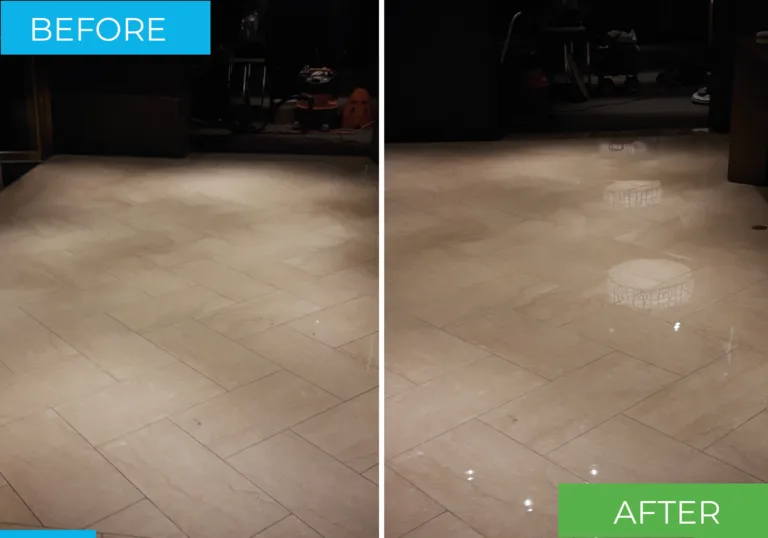
Agree on a representative test area before expanding the scope. A result on a sheltered corner may not represent the busiest lobby path or the most heavily etched countertop.
A useful scope names the areas to be treated, the finish to be matched, and the defects that may remain. It also identifies any repairs that sit outside the restoration work.
Plan the Work Around Guest and Resident Access
A lobby route cannot always close for the same length of time as an unoccupied guestroom. Before scheduling, identify the areas that must stay accessible and the times when equipment noise or restricted access would affect operations.
- Lobbies and elevator landings: Plan work zones, guest routes, luggage movement, and transitions between treated and untreated areas.
- Vanities and restrooms: Coordinate room availability, fixtures, and when surfaces can be exposed to water again.
- Restaurants and bar tops: Account for service hours, clearing the surface, and the selected treatment’s return-to-use requirements.
Confirm the work sequence with the people who will reopen and maintain the area. Drying, curing, and normal use may have different timelines.
Look Beyond the Gloss
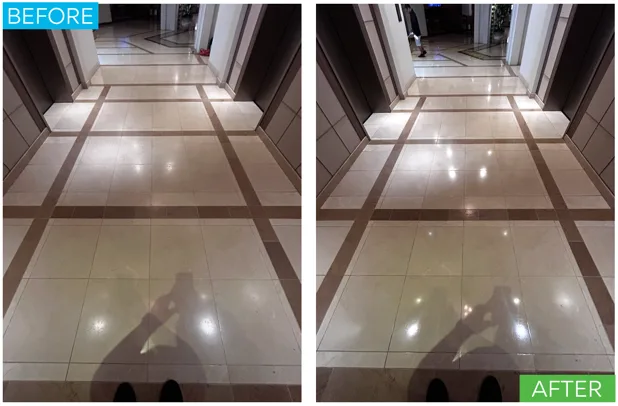
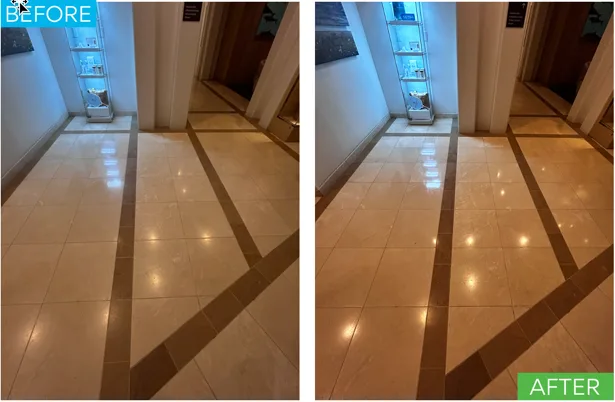
Review the test area from the entrance, across the main traffic path, and under the lighting used during normal operations. Look for finish consistency around edges and fixtures as well as improvement in the center of the area. Agree on the result before extending the work.
Choose Protection for the Exposure
Protection is selected after the stone and finish have been assessed. A penetrating sealer can help resist absorbed liquids where the stone would benefit from it; it does not repair existing scratches or etching.
For select surfaces, Renue can review specialty options, including silica-based treatments. The choice depends on the exact product, stone, location, and exposure. Confirm any expected stain or etch resistance, appearance change, curing time, and maintenance requirements before application.
Start with the problem you want to reduce: spilled drinks on a bar top, repeated water exposure at a vanity, and abrasive grit on a lobby floor require different care decisions.
For general care principles, see the Natural Stone Institute’s care and cleaning guidance.
Make the Finish Practical to Maintain
A highly polished appearance may suit one area while a honed finish fits another. Discuss the desired sheen, adjacent surfaces, and daily cleaning routine before work begins.
- Use cleaners appropriate for the stone and any applied treatment.
- Remove tracked-in grit and address spills promptly.
- Show the maintenance team which areas were treated and provide the agreed aftercare instructions.
- Review wear where it develops instead of automatically restoring every area on the same schedule.
Record the accepted finish so future touch-ups have a clear reference.
What to Bring to the Walk Through
Show us the affected surfaces and explain what has changed. Photos and approximate areas help start the conversation; a walk through or test area may be needed to establish the scope.
- Surface history: Any known stone type, previous polishing, sealers, coatings, and current cleaning products.
- Priority areas: The marks, traffic paths, or finish differences that matter most.
- Access window: When work can begin, which routes must stay open, and when the space is needed again.
Renue can use that information to recommend the next step and explain the likely result, limitations, and maintenance needs.
Related Natural Stone Restoration Services
Marble is one of several natural stone surfaces Renue Hawaii restores for hotels, condos, restaurants, offices, facilities, and high-traffic properties across Hawaii. We also provide limestone cleaning and restoration, travertine cleaning and restoration, terrazzo restoration and polishing, and granite countertop sealing for properties with multiple stone surfaces.
Marble Restoration: Common Questions
Our marble and natural stone restoration service is built for hotels, resorts, luxury condos, restaurants, private clubs, and commercial properties across Oahu and the neighboring islands. We focus on lobby floors, elevator landings, guestroom vanities, bar tops, countertops, restrooms, and other high-visibility stone areas where etching, dullness, scratches, or stains are hurting the guest experience, resident experience, or brand standards.
Use the condition of each area to set the schedule. Traffic, stone type, finish, cleaning practices, and appearance standards all matter. A busy elevator landing may need attention before a sheltered wall or vanity. We review where wear is developing and recommend maintenance or restoration for those conditions.
Cleaning removes surface soil and residue. Honing uses abrasives to reduce or remove etches, scratches, and traffic wear, leaving a smoother matte or satin surface. Polishing refines the stone further to restore clarity and shine. In hotels, condos, restaurants, and commercial properties, we often hone to correct damage, then polish to the finish level that matches your design standards, maintenance goals, and slip considerations.
Many surface etches and scratches can be improved through appropriate refinishing. Stains require assessment of the material absorbed and how deeply it has penetrated. Cracks, deep damage, and some discoloration may remain or need separate repair. A test area helps establish realistic expectations; sealing does not repair those defects.
When the stone would benefit from it. We assess absorption, existing protection, and use before recommending a penetrating sealer or another treatment. Sealing is intended to improve stain resistance where appropriate; it does not correct surface damage or make marble immune to acidic spills.
Stone restoration uses specialized machinery that can create noise, water, and slurry, so we typically work overnight or during low-traffic windows. We phase the work area, protect adjacent finishes, and coordinate routing with your team so guests, residents, customers, and staff can move through the property with minimal disruption.
A penetrating sealer goes into the stone to help resist stains while maintaining a natural look. A topical coating sits on top of the stone and may change the appearance, feel, maintenance needs, or slip profile, but can offer more protection in certain high-risk environments. During the assessment, we explain the pros and cons for your specific stone surfaces and recommend the right approach for long-term performance.
Ready to Restore Your Property?
Partner with Renue Hawaii for expert deep cleaning and restoration services tailored for hotels, resorts, and commercial properties across Oahu, Maui, and the Big Island.
Explore how spaces, surfaces and service decisions connect for stone and marble
Related service, guidance and project accounts